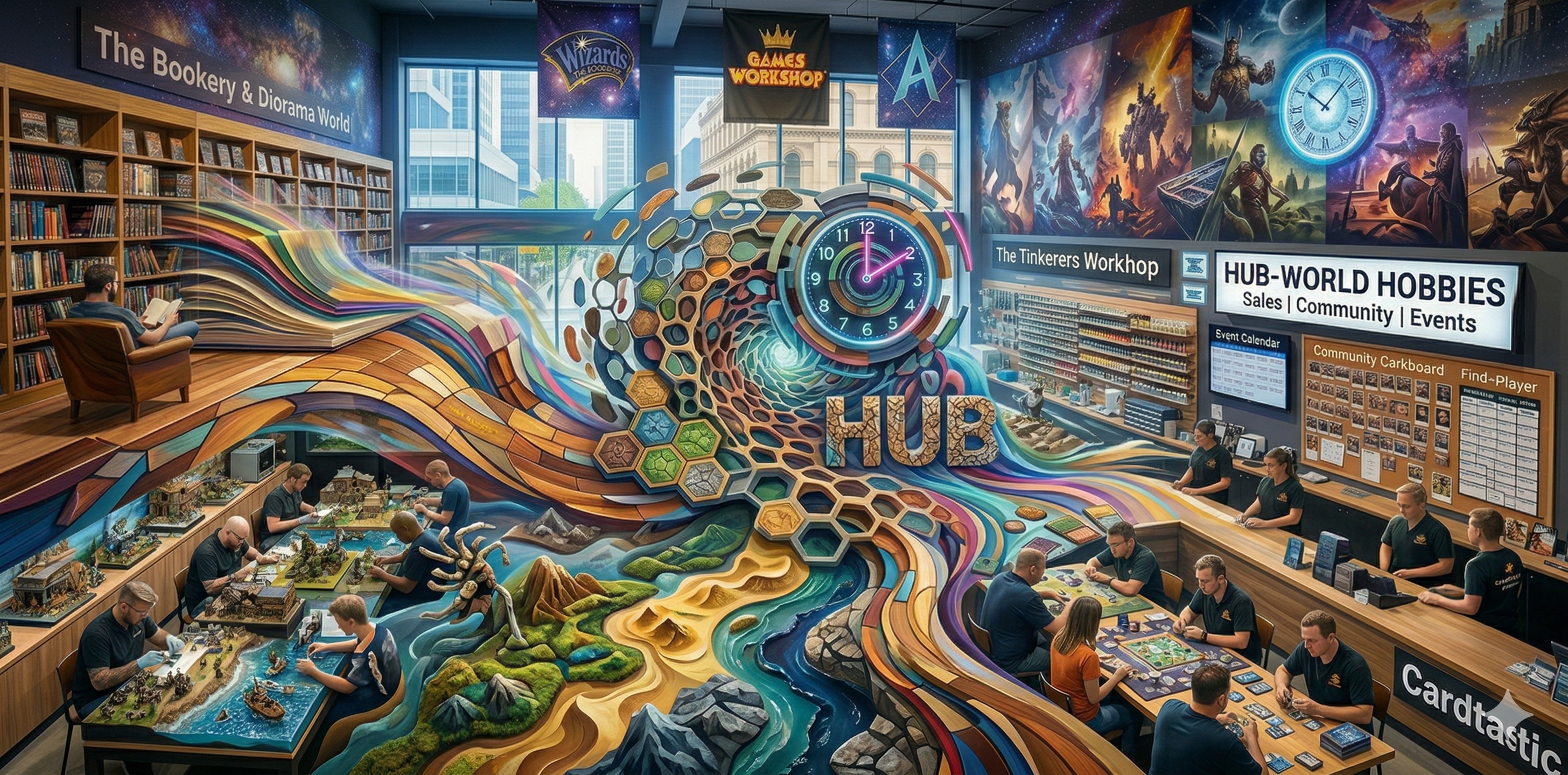
The Complete Guide to the Gaming Store: Everything You Need to Know
Introduction
Gaming stores are specialized retail establishments where players buy tabletop games, trading cards, miniatures, and gaming accessories while connecting with fellow enthusiasts. Many stores also offer cute, playful dice and accessories that appeal to collectors and hobbyists seeking charming, eye-catching additions to their games. These shops serve as essential hubs where the gaming community gathers to play, compete, and share their love for games ranging from Magic: The Gathering to Dungeons & Dragons.
This guide covers both physical and online gaming stores, exploring their products, services, and the gaming experience they provide. Whether you’re a dedicated collector searching for rare cards, a parent looking to buy your child’s first board game, or someone considering opening a shop of your own, this resource addresses your needs. The importance of gaming stores extends beyond retail—they foster friendships, host events, and build communities that keep tabletop gaming alive.
Direct answer: Gaming stores are retail businesses that sell board games, trading card games (TCGs), role-playing game materials, miniatures, dice, and related accessories—often including cute, playful dice and accessories for collectors—while hosting tournaments and game nights that bring players together.
By reading this guide, you will:
-
Understand the different types of gaming stores and what each offers
-
Learn about major product categories from Pokemon cards to RPG miniatures
-
Discover how to find quality stores in your area, including options in Melbourne, Australia, and beyond
-
Know what community services and events to expect
-
Gain actionable tips for maximizing your gaming store experience
Understanding Gaming Store Fundamentals
A gaming store—often called a Friendly Local Game Store (FLGS)—is more than a place to shop. It’s where players browse shelves packed with strategy games, join weekly tournaments, and build connections with others who share their excitement for tabletop gaming. These establishments stock everything from booster packs and deck boxes to detailed miniatures designed for painting and display.
The relationship between gaming stores and gaming communities is symbiotic. Stores provide the space and products players need, while players bring foot traffic, event participation, and word-of-mouth recommendations that keep shops thriving. Research shows that 67% of board game buyers in North America prefer purchasing from specialty gaming stores rather than general retailers, demonstrating strong loyalty to shops seen as knowledgeable and community-focused.
Types of Gaming Stores
Local Game Shops (FLGS): These independently owned stores typically feature curated inventory, knowledgeable staff who play the games they sell, and dedicated space for events. An FLGS prioritizes customer service and community building over volume sales, making them ideal for players seeking personalized recommendations and a welcoming atmosphere.
Chain Gaming Retailers: Stores like GameStop focus primarily on video games but often stock trading cards and accessories. These chains offer broader reach and sometimes lower prices on mainstream items, though they typically lack the specialized knowledge and event hosting that define independent shops.
Online Gaming Stores and Marketplaces: Websites ranging from dedicated board game retailers to massive marketplaces provide access to extensive stock, competitive pricing, and convenience. Top online board game stores generate significant revenue—some in the $30-50 million range annually—by serving customers who prioritize selection and price over immediate availability.
Specialty Stores: Some shops focus exclusively on specific niches: war gaming and miniatures, rare collectible cards, or RPG materials. These stores attract dedicated hobbyists willing to travel or pay premium prices for expert knowledge and hard-to-find items.
Core Gaming Store Offerings
The balance between product sales and community services defines a store’s identity. While selling new releases generates revenue, hosting tournaments and game nights builds the loyal customer base that sustains long-term success.
Physical layout matters significantly. Stores allocate space between retail shelving and gaming tables based on their business model. A shop emphasizing community might dedicate half its floor space to play areas, while a retail-focused operation maximizes shelf stock. The best stores find equilibrium—enough product to browse and enough tables to play.
Inventory decisions also shape a store’s character. Stocking new releases captures hype and quick turnover, but maintaining classic games, out-of-print titles, and used inventory serves collectors and players seeking specific experiences. This variety distinguishes specialty gaming stores from general retailers. Ronin Games offers a range of hobby tools and supplies for model building and crafting, catering to enthusiasts who need quality materials. High-quality hobby tools and accessories prove their value to customers by delivering immediate results and enhancing the crafting experience.
Understanding these fundamentals prepares you to evaluate specific products and services gaming stores provide.
Security and Verification in Gaming Stores
Security and verification are at the heart of a safe and enjoyable gaming experience, whether you’re shopping online or visiting your favorite local store. In Australia, leading gaming stores like Ronin Games and Good Games have made security a top priority, ensuring that every customer can browse, shop, and play with confidence.
When you visit a gaming store’s website, you’ll often encounter a security verification process designed to keep malicious bots at bay. This security service works behind the scenes to verify that each visitor is a real person—not an automated bot—before granting access to the site’s full range of products and features. The process is quick and seamless, often providing a respond ray id to confirm that your verification is successful. This extra layer of protection helps prevent hacking attempts, data breaches, and other automated threats, so you can focus on building your ultimate deck or searching for that rare One Piece card without worry.
Online security doesn’t stop at the website’s front door. Gaming stores use advanced security services to protect your personal and financial information during every transaction. Whether you’re buying the latest Magic: The Gathering set, a new Pokémon deck, or adding a rare piece to your collection, you can trust that your details are safeguarded by robust encryption and verification protocols. This commitment to security means you can shop, add items to your wishlist, and check out with peace of mind.
Physical gaming stores in Australia also take security seriously. Many shops are equipped with CCTV cameras and secure storage solutions for valuable miniatures, rare cards, and high-demand accessories. This ensures that both the store’s stock and your purchases are protected, whether you’re attending a tournament, browsing the latest releases, or picking up a pre-ordered pack.
To help customers protect their own gaming investments, stores offer a variety of security-related accessories. Card sleeves, deck boxes, and storage cases are essential for keeping your cards, miniatures, and game pieces safe from damage or loss. These accessories not only protect your collection but also add a layer of personal style to your gaming setup.
By prioritizing security and verification—both online and in-store—gaming shops across Australia create a trustworthy environment where players can focus on what matters most: enjoying the game, connecting with friends, and building a collection that shines. Whether you’re a seasoned competitor or a newcomer ready to join your first round, you can count on your local gaming store to protect your experience every step of the way.
Gaming Store Products and Services
Gaming stores stock diverse product categories serving different player interests, from competitive card game enthusiasts to families seeking board game night options. The depth of inventory and quality of community services determine whether a store becomes your regular destination.
Trading Card Games
Magic: The Gathering: MTG remains one of the most valuable TCG product lines, generating over $1 billion annually. Stores stock sealed products—booster packs, box sets, and preconstructed decks—alongside singles markets where players buy individual cards. The game’s complexity and collectible nature mean knowledgeable staff add significant value when helping players build competitive decks or find rare pieces for collections. Land cards, including specific subtypes like Mountain Forest, are essential for gameplay as they provide the mana needed to cast spells; some land subtypes are rare and highly sought after for both their strategic importance and collectibility.
Pokemon Cards: The Pokemon Trading Card Game dominates the market with approximately 60% global share, having produced over 75 billion cards worldwide. Stores stock current releases, accessories like card sleeves and deck boxes, and often maintain display cases for rare or graded cards worth significant sums. The excitement around new Pokemon releases regularly drives lines at shop openings.
Yu-Gi-Oh! and Other TCGs: Holding roughly 20% market share, Yu-Gi-Oh! maintains dedicated player bases that compete in organized tournaments. Stores serving TCG communities typically stock multiple game lines, recognizing that players often participate in several card games simultaneously. One Piece TCG and other newer entries continue expanding the category. Ronin Games hosts various gaming events, including Magic: The Gathering and Yu-Gi-Oh! tournaments.
Board Games, Tabletop RPGs, and Accessories
Strategy Games and Family Board Games: From complex strategy titles requiring hours of play to quick family games lasting one round, board game sections cater to varied preferences. The global board game market reached approximately $14 billion in 2022, reflecting sustained consumer interest. Quality stores maintain demo copies, letting customers try before they buy. Stardew Valley The Board Game is a cooperative board game of farming and friendship based on the Stardew Valley video game, offering players a chance to work together. Cozy Stickerville is a relaxing, story-driven village building game where every choice shapes your world. In cooperative games like 5-Minute One Piece, players win together or lose together in a series of iconic East Blue Boss fights.
Dungeons & Dragons and RPG Materials: RPG sections stock core rulebooks, adventure modules, dice sets, and character sheets. The streaming and podcast renaissance has driven new players to these games, creating demand for beginner-friendly products alongside advanced materials for veteran players ready to build elaborate campaigns.
Miniatures and Painting Supplies: Miniatures for games like Warhammer require assembly and painting, making this category both product-intensive and skill-based. Stores stock unpainted figures, paints, brushes, and terrain pieces while sometimes hosting painting workshops where hobbyists learn techniques and display their work.
Gaming Events and Community Services
Tournament Hosting and Organized Play: Publishers like Wizards of the Coast sanction official tournaments that stores host, drawing competitive players weekly. These events range from casual drafts to championship qualifiers where winners earn prizes, recognition, and sometimes travel to larger competitions. Hot Streak is a featured game for hard luck gamblers who love to bet on and scream at the racers, emphasizing the thrill of luck and chance-driven gameplay.
Game Nights and Casual Play Sessions: Not every player wants to compete. Casual game nights let people join tables, learn new games, and meet friends without pressure. These events often target specific games or genres—RPG one-shots, board game demos, or open play for any title. Kollide is a fast, laugh-out-loud magnet battle where every move is a risk. Flip 7 is a card game where players flip over cards one by one without flipping the same number twice. Swipee, a new card game created by Adelaide locals, promises hours of laughter with friends and family. Bomb Busters is a game where players must clear a bomb before the countdown ends.
Gaming Tables and Space Rental: Many stores offer table space free with purchase or for hourly fees. This arrangement lets groups hold regular sessions without hosting at home, providing neutral ground with game libraries and refreshments available.
The variety of products and community-focused services creates the unique gaming experience that distinguishes specialty stores from general retailers. With this understanding, you’re ready to evaluate stores in your area.
Choosing and Visiting Gaming Stores
Selecting the right gaming store affects your hobby experience significantly. The shop where you spend your time and money should match your interests, offer fair value, and provide an atmosphere where you feel welcome.
Finding Quality Gaming Stores
When searching for a new gaming store, these steps help identify quality options:
-
Research online reviews and community recommendations. Check gaming forums, social media groups, and review sites where local players discuss their experiences. Word of mouth from trusted sources often proves more valuable than anonymous ratings.
-
Check store event calendars and community engagement. A store’s website or social media page should display upcoming events, tournament schedules, and game nights. Active event calendars indicate engaged communities and dedicated staff.
-
Visit during peak hours to assess atmosphere. Stopping by during a tournament or busy Saturday afternoon reveals the store’s true character. Note whether staff acknowledge newcomers, whether the space feels welcoming, and whether players seem engaged and friendly.
-
Evaluate staff knowledge and customer service. Ask questions about products you’re considering. Quality staff recommend games based on your preferences, explain rules, and help you find what you need without pressure. Their expertise proves invaluable when building collections or entering new games.
Directories like LGS Finder list over 11,200 brick-and-mortar game stores across the United States, while BoardGameStores.com covers more than 10,000 locations. These resources help you search by location and find shops worth visiting.
Comparing Gaming Store Options
|
Criterion
|
Local FLGS
|
Chain Retailer
|
Online Store
|
|
Product Selection
|
Curated, often includes rare/niche items
|
Mainstream focus, limited specialty stock
|
Extensive, includes imports and hard-to-find titles
|
|
Pricing
|
Higher on some items, competitive on others
|
Often lower on bestsellers
|
Typically lowest, shipping costs apply
|
|
Events & Community
|
Weekly tournaments, game nights, demos
|
Rarely offered
|
None (community exists online)
|
|
Staff Knowledge
|
Typically excellent, staff play what they sell
|
Variable, often limited
|
N/A (self-service)
|
|
Immediate Availability
|
Yes, walk out with purchase
|
Yes
|
No, shipping wait times apply
|
The choice depends on your priorities. If community connection and expert guidance matter most, invest in relationships at local shops. If price drives decisions and you know exactly what you want, online retailers deliver. Many players combine approaches—buying staples online while supporting local stores for events and specialty items.
Common Challenges and Solutions
Even dedicated gaming store customers encounter obstacles. These common challenges have practical solutions that improve your experience.
Limited Local Store Selection
Players in rural areas or cities without strong gaming communities sometimes lack nearby options. Solutions include combining online ordering with in-store pickup at hybrid retailers, or planning visits to regional gaming conventions where vendors and communities gather. Melbourne, Australia, and other major cities typically offer multiple choices, but smaller markets require creativity.
High Prices Compared to Online
FLGS pricing often exceeds online competitors due to smaller order volumes and overhead costs. Factor community value into your calculations—the ability to play immediately, receive expert advice, and participate in events has worth beyond the sticker price. Many stores offer loyalty programs, member discounts, and preorder pricing that narrows the gap. Look for these programs and ask about upcoming sales.
Intimidating Store Environment for New Players
Some stores feel cliquey or unwelcoming to newcomers unfamiliar with gaming culture. Counter this by asking staff directly for beginner-friendly recommendations and demos—most are happy to help. Attend events specifically designed for new players, often labeled “learn to play” or “beginner night.” Stores increasingly recognize that welcoming new customers today builds loyal patrons tomorrow.
Product Availability Issues
Popular releases sell out fast, and rare items command premium prices when they appear at all. Pre-ordering guarantees access to anticipated products. Building relationships with staff helps too—they often alert regular customers to incoming stock before items hit shelves. For hard-to-find pieces, patience and persistence pay off. Check frequently, join waitlists, and consider the secondary market for items no longer in print.
These strategies help you navigate challenges and build productive relationships with the stores that serve your gaming needs.
Conclusion and Next Steps
Gaming stores serve as essential community hubs where players buy products, compete in tournaments, and connect with others who share their passion. From the local FLGS with its curated shelves and weekly Magic nights to specialized online retailers stocking rare miniatures and imported titles, these businesses support every aspect of tabletop gaming.
Take these immediate steps to enhance your gaming store experience:
-
Visit a local gaming store this week—browse the selection, talk with staff, and note the event calendar
-
Attend one event at a store near you, whether a casual game night or organized tournament
-
Join a gaming community online or locally to connect with players and discover new shops
-
Try a new game recommended by store staff to expand your interests
Related topics worth exploring include starting a gaming collection strategically, hosting game nights at home, or entering competitive play through organized tournament circuits.
Additional Resources
Price Comparison and Reviews:
Event Discovery: