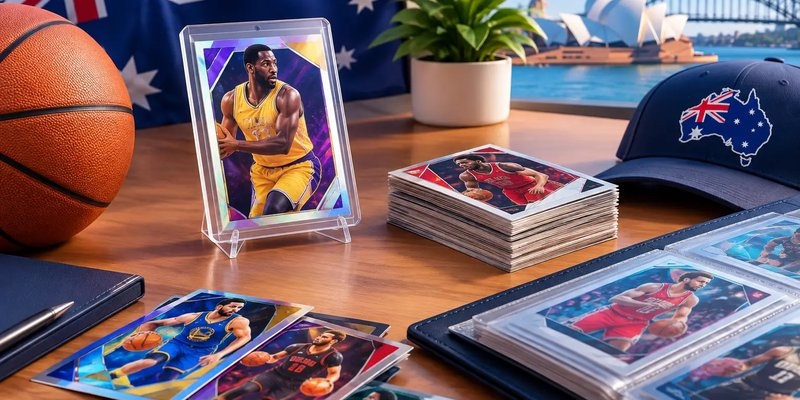
NBA Cards Value Guide for Australian Collectors
A rookie card can look like a bargain at $10 or wildly overpriced at $100 until you spot the small details: the parallel, the serial number, the grade, or the player’s place in the market. This NBA cards value guide is built for Australian collectors who want to make smarter calls whether they are ripping a new box, buying a single, or sorting through an old stack of base cards.
The headline sale price is only part of the story. Basketball cards move on performance, collector sentiment, release timing and condition, sometimes all in the same week. A practical valuation starts by identifying precisely what is in your hand, then comparing it with genuine recent sales rather than optimistic asking prices.
What Drives NBA Card Value?
An NBA card is not valuable simply because it pictures a star. The strongest prices usually sit where player demand, scarcity, card condition and product desirability meet. Remove one of those factors and the value can change dramatically.
Player demand matters, but context matters more
Established icons such as Michael Jordan, Kobe Bryant, LeBron James and Stephen Curry have enduring collector demand because their careers are already part of basketball history. Modern superstars and promising rookies can also command serious money, but their market is usually more volatile. A huge playoff run, an All-NBA season, an injury or an offseason trade can move prices quickly.
For newer players, consider more than points per game. Is the player a genuine franchise cornerstone? Are they getting regular national coverage? Do collectors connect with their style of play? A highly drafted rookie on a popular team may attract attention early, while a talented player in a smaller market can take longer to build a broad collector base.
Not every rookie card is the same
The term rookie card is useful, but it is not a guarantee of high value. A player may have rookie cards in several Panini releases, from accessible base cards through to premium on-card autograph and patch cards. Collectors often place more weight on flagship rookie cards, chromium-style cards, popular inserts, low-numbered parallels and cards from established premium lines.
A base rookie can be a great entry point for a PC, especially when buying a favourite player. Its resale ceiling may still be limited when thousands of copies exist. Compare that with a serial-numbered rookie parallel, a card numbered to 99, 25 or 10, or a true one-of-one. Scarcity does not automatically create demand, but it gives demand less supply to chase.
Set, parallel and autograph details change everything
Read the front and back of the card closely. The same photograph can exist as a base version, Silver or Prizm parallel, colour parallel, short-print insert, memorabilia card and autograph. Those versions should never be treated as interchangeable.
Serial numbering is one of the clearest indicators of intended rarity, though the specific parallel still matters. A card numbered 150/199 may be less desirable than a lower-numbered version, while a popular colour match can carry its own appeal. Autographs can add a major premium, particularly when they are on-card and tied to a sought-after rookie or veteran. Memorabilia cards vary more widely, as collectors may value game-used pieces differently from player-worn material.
NBA Cards Value Guide: How to Check Comparable Sales
The most reliable starting point is a recent completed sale of the exact card. Match the player, year, set, card number, parallel, serial number, autograph status and grade. Being close is not always close enough. A 2024 Prizm rookie base card and a 2024 Prizm Silver rookie may share artwork but have very different markets.
Use several comparable sales where possible, especially for cards that sell regularly. One unusually high result might reflect a bidding war, while a low result could be a poorly listed auction ending at an awkward time. Look for a sensible range and assess where your card fits within it.
For Australian collectors, factor in currency conversion, shipping, GST and marketplace fees before treating a US sale as a local benchmark. A card purchased overseas at an attractive converted price may become less attractive once postage and import costs are included. Conversely, a locally available card can justify a modest premium when it avoids the uncertainty of international delivery.
Asking prices are useful for seeing what is currently available, but they are not proof of value. A card listed at $800 for months has not established an $800 market. Sold results tell you what a buyer actually paid.
Condition Can Make or Break the Price
Condition is where many raw cards gain or lose value. Check corners, edges, surface and centring under good light. Look for print lines, scratches, dimples, chipping and soft corners, particularly on chrome cards and darker parallels where flaws can be easier to spot.
Centring is often overlooked by new collectors. A sharp card with noticeably uneven borders may still fall short of a top grade. Modern cards can also leave the pack with minor production marks, so do not assume pack fresh means gem mint.
A raw card should be described honestly when selling or trading. If there is whitening on an edge or a visible surface scratch, mention it and photograph it clearly. Accurate condition notes protect both sides of the deal and help build trust within the hobby.
When grading is worth considering
Grading can make sense when a card is valuable, scarce or likely to receive a strong grade. It gives buyers a recognised condition assessment and offers a level of protection in the slab. For key rookie cards, premium autographs and genuinely clean vintage cards, a top grade can materially change market value.
It is not always the right move. Grading fees, postage, turnaround time and the risk of a lower-than-expected grade all need to be considered. For a low-value base card, the cost can exceed any value increase. If a card is mainly for your personal collection, a penny sleeve and top loader may be the better call.
Buy With a Plan, Not Just a Hot Take
Basketball card collecting is more enjoyable when you decide what you are collecting before chasing every release. You might focus on a team, a favourite player, rookie cards, signature cards, numbered parallels or a specific set such as Prizm, Select, Donruss Optic or Court Kings.
Sealed boxes offer the thrill of the rip, but they are not a guaranteed route to the cards you want. Buying singles is often the more cost-effective way to build a targeted collection. If you love opening packs, set a budget and treat the hit as a bonus rather than a financial plan.
For collectors buying modern rookies, timing is a trade-off. Buying before a player breaks out can deliver upside, but it also carries the most risk. Buying after a major performance may feel safer, yet prices can already reflect peak excitement. A measured approach is to buy cards you would still be happy to own if the market cools.
At CardTastic Collectables and Gaming, collectors can pair new NBA releases with the practical supplies that keep cards in collectible condition. Sleeves, top loaders, semi-rigids, binders and quality storage boxes are not an afterthought when condition has a direct effect on value.
Protect the Cards You Want to Keep
Handle cards by the edges and sleeve worthwhile pulls straight away. A penny sleeve inside a top loader is a dependable option for most cards, while one-touch holders can suit display cards when used carefully. Avoid storing cards in direct sunlight, humid spaces or loose piles where corners can catch and surfaces can rub.
Keep higher-value cards organised with labels or a collection spreadsheet that records the card, serial number, purchase price, date and condition. This makes insurance, trading and eventual selling far easier. It also stops you accidentally buying the same base rookie three times, which happens more often than collectors admit.
Know When to Hold, Sell or Trade
There is no universal best time to sell an NBA card. Prices may rise around rookie hype, award announcements, playoff success and Hall of Fame conversations, but markets can also reverse without warning. If a card has reached a value that would genuinely help fund another collecting goal, taking the win can be sensible.
Trading works best when both collectors understand current values and condition. Bring recent comparable sales to the conversation, be clear about flaws and remember that cash value and trade value are not always identical. A collector may pay a little more in trade for the exact card needed to complete a rainbow or team set.
The best card value decision is rarely about predicting every market move. Learn the details of the cards you collect, buy within your budget, protect what you own and let your collection reflect the players and moments you genuinely enjoy watching.